


After over four decades in bodywork, I’ve found that lasting change often begins deep in the core—not just in muscles or joints, but in the movement of organs, fascia, and the breath.
Many people live with chronic tension or dysfunction that hasn't responded to surface-level approaches. My goal is to offer education and techniques that help restore deep internal balance—so the body can move and heal more effectively.
The Tipping Point: What Happens When the Body Can't Adapt
Every day your body makes micro-adjustments to stay upright, move smoothly, and digest efficiently. But over time—due to stress, injury, or inactivity—the body’s ability to compensate can wear down. At some point, accumulated tension in the core leads to a tipping point:
- Muscles remain tight or overworked
- Organs lose their natural mobility
- Fascia thickens or adheres
- Joints and posture become distorted
This is when symptoms emerge: pain, stiffness, digestive problems, fatigue, and a general sense that "something is off."
Viscera and Digestion: The Hidden Core
Your internal organs are suspended in a connective web. Their health depends on movement:
- Intestines require rhythmic motion for digestion and elimination
- Liver must move freely to support circulation and detoxification
- Cisterna chyli collects lymph from the abdomen and lower body, supporting immunity and fluid balance
When movement is lost—due to constipation, scars, inflammation, or poor posture—these organs pull on surrounding tissues, limiting breathing, spinal mobility, and lymphatic flow.
How the Body Compensates—Until It Can’t
At first, the body adapts beautifully. Core muscles stabilize, posture shifts, and joints make room. But this is a short-term strategy.
Eventually, overworked muscles become fatigued, fascia loses glide, and the nervous system becomes reactive. The result: pain, limited movement, and internal congestion.
This is the tipping point where deeper work becomes necessary.
Balanced Movement Is a Sign of Health
True balanced movement comes from within. When the diaphragm, organs, fascia, and spine move in sync, the body is resilient and responsive. Movement becomes fluid again—not forced.
Balanced movement means:
- Improved digestion and elimination
- More efficient breathing
- Better joint alignment
- Less fatigue and strain
A Deeper Approach to Healing
If you’re seeking more than temporary relief, consider exploring these core imbalances. The methods I teach and practice are designed to gently restore movement, ease, and adaptability—starting from the inside out.
To learn more or register for an upcoming class, visit:
Visceral Class Info or explore our Self-Help Resources.
A Personal Story On How I Achieved Unbeatable Pain Relief!
IN THE BEGINNING
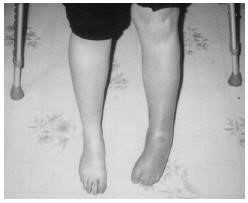
I was 21 years old when I injured my left ankle at work. That was ten years ago now. I knew something was wrong when two weeks had passed and this simple sprain was not getting any better.
After the first month, the manager where I worked advised me to obtain a second opinion from an orthopedic surgeon. After that visit, I realized my life was never going to be the same again. Two months later I was diagnosed with Reflex Sympathetic Dystrophy, a disease of the nervous system that communicates pain signals when there is no reason for pain signals to originate.
Standard treatment regimes began with the promise of pain management. By the end of the first year, I had gone through two surgeries, countless nerve blocks, and endless physical therapy to no avail. After a few years of the same routine, I began to search for better alternatives.
ALTERNATIVE THERAPIES
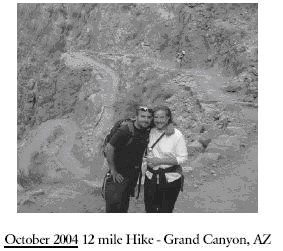
It was Spring 2002, and because my work comp case settled in 2001, I was now able to choose my own healthcare. I had been searching for different treatment options when my mom told me about this therapist in town named Taum Sayers. I made some inquiries, and then chose to schedule an appointment with Taum. It had been 7 years since I was able to walk; and just one year prior, doctors were discussing amputation. Just after the first visit, I could tell things were going to be better. My body hurt less, moved easier and I slept through the night for the first time in a long time. I had hope again. I started seeing Taum on a regular basis and by November 2002 I was walking again; a direct result of his marvelous treatment.
TAUM’S MUSCLE THERAPY
Taum practices a unique form of massage that manages the proper function of the muscles in the body. As Taum explains on his website, musclemanagement.com “Chances are there is a muscular component ‘Participating’ in your pain…and that is the focus of ‘Muscle Management’, relieving pain and restoring function by focusing precision therapy on the muscles.” Taum practices the Berry Method® technique of massage and it feels like no other massage technique in healthcare today. It is about corrective massage to “encourage, promote, and maintain healthy states of balance” within the musculoskeletal system.
Taum believes, and I wholeheartedly agree, that by restoring overall muscle health one’s pain can greatly decrease. Taum’s Muscle Management gently manipulates the muscles, tendons, and ligaments to realign them, which in turn resets the body’s natural balance, and allows for smoother function and motion. Above all else, chronic life-debilitating pain is relieved without invasive procedures or added discomfort.
THE ENCOURAGING WORD
It is now the Summer of 2005, and I am here to tell you that there is life during chronic pain, and whether or not you choose to seek it depends upon you. I could not let my disease rule my life any longer. I searched for answers, and found relief in Muscle Management Therapy. I would have never believed in the painful years prior to knowing Taum, that I would be living a normal life without misery. It has been 10 years since my ankle injury and reflex sympathetic dystrophy is still in my life, but it is not my life. In the time I have worked with Taum, my life gradually came back to what resembles a normal lifestyle. This year miracles I thought could never happen have occurred. I found Alex, the love of my life, and we were married in January 2005. We are expecting our first child in late September, something doctors told me I could not possibly achieve. I give the credit to my Lord, in whom I placed my faith, who ultimately guided me to Taum Sayers, who made miracles happen!
Wedding Day January 2005

THANK YOU TAUM SAYERS!!!
Mrs. Kellie Pop

Articles
Massage Magazine article...."Intention and Imagination"(Topic: Mid-Back Tension 2002)
Lauren Berry Sr for "Bridgebuilders" Hall of Fame induction(2013)
Newsweek article -2004 (not one of mine)-"The Great Back Pain Debate".
Massage Magazine article...."Lauren's Story" (2002)
Balance and The Berry Method®
Sierra Sun article, 2003 -"Sayers manages muscles through body mechanics."
Videos
| The 'Nose Ring' analogy | 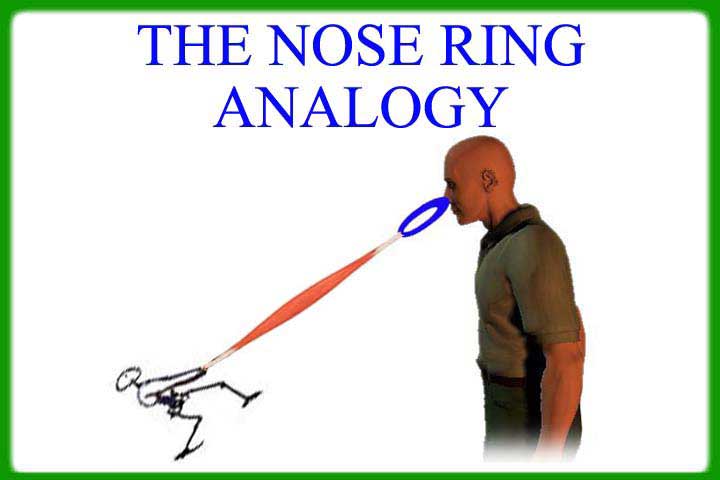 |
| Muscle Management® for Elbow Pain (youTube) | 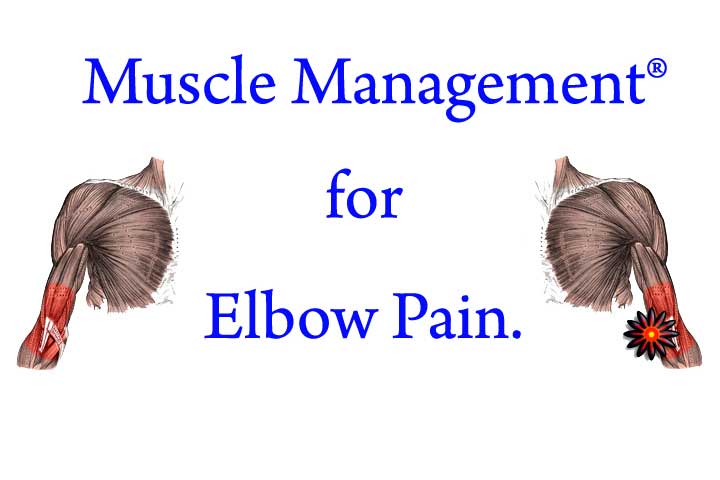 |
| Lymphatic self-help - (youTube) | 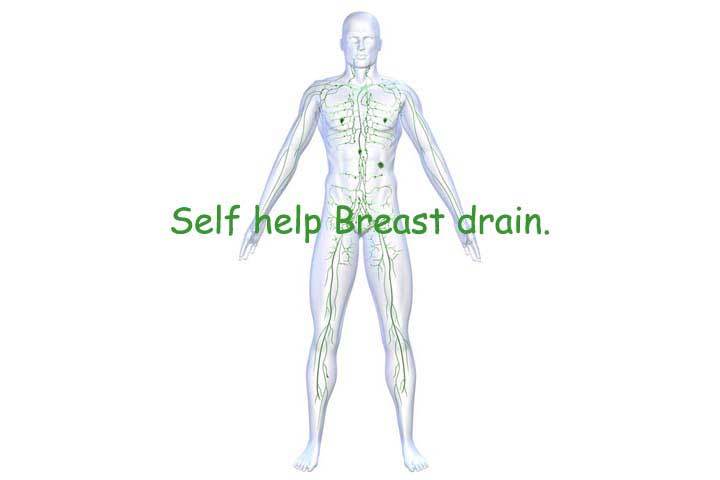 |
Without a balanced core, even the most reliable techniques and protocols won’t last and stabilize.
One of the foundational principles of The Berry Method® and the focus of this class is to support and re-establish deep, core balance.
Ever feel like something’s still holding on—beneath the surface—no matter how much progress your client makes?
That lingering tightness, that subtle resistance… it’s not just muscle tension. It’s the body recalibrating like a GPS, constantly trying to find its way back to balance.
This indicates the 'Vestibular Reflex' is stuck in a continuous loop, trying to reset itself.
When the body loses its natural center, it adapts—compensating through posture, muscle engagement, and movement patterns. These adjustments are smart, even protective—but they also create background tension that quietly interferes with healing, alignment, and ease.
The Berry Method® encourages you to see beyond the symptoms.
You’ll learn to recognize the body’s deeper patterns of compensation—how it's been working overtime to “stay on course”—and how to gently guide it back to center.
In Rebalancing the Lower Back and Hips, Taum shares tools and techniques to help you identify and unwind these layers of stored tension. It’s not just about releasing what’s tight—it’s about restoring what’s true and natural.
Help your clients move better, feel better, and finally begin to heal—where it matters most.
Because when the body is stuck, everything else is affected. When it finds balance again... everything begins to change.
Core balance is the keystone.
A Holistic Approach to Supporting the Lymphatic System
It’s important to remember that as therapists, we don’t heal the body—we simply support the body’s natural, built-in capacity to heal itself.
Lauren’s lymphatic massage honors this principle by working with the body’s internal systems, especially its vast network of soft tissues—muscles, membranes, and viscera—that influence fluid movement, immune support, and overall balance.
In this work, functional balance is essential. When soft tissues are harmonious in tone and position, the lymphatic system can flow freely—draining waste, reducing inflammation, and restoring vitality.
Within this unique approach to working with the lymphatic system, we view all movement—including lymphatic flow—as an orchestration of soft tissue relationships. Equilibrium and homeostasis are not abstract concepts—they are the body’s active strategies for keeping us pain-free and resilient.
Take walking, for example:
What seems like a simple act actually involves the coordination of over 200 muscles with countless tissues adapting behind the scenes to keep us balanced. If those tissues are tight, distorted, or compensating for past injuries, the body begins to strain.
Limping is an indication of excessive muscular tension.
Eventually, fluid movement—both muscular and lymphatic—is compromised.
Lymphatic congestion is often a signal—just like pain—that something deeper is off balance.
Soft tissue restrictions can slow lymph flow, restrict immune function, and contribute to systemic inflammation.
That’s why I often begin with Core Muscular Rebalancing. By addressing these underlying restrictions first, the body is better prepared to benefit from lymphatic work—allowing each technique to work more effectively and last longer.
Corrective massage, when applied with this understanding, becomes a powerful tool not just for pain relief, but for encouraging the body’s most essential flows—including lymph.
I hope this perspective supports your work—and the well-being of those you care for.
???? How the Vestibular System Responds to Musculoskeletal Imbalance
When there's an imbalance or dysfunction in the lower back and hip area—due to injury, habitual posture, tight or weak muscles, or asymmetry—the body senses instability. This triggers a compensatory response from the vestibular system.
Here's what happens:
- Altered sensory input: Muscle and joint receptors (proprioceptors) in the hips and lower back send inconsistent or diminished feedback to the brain.
- Vestibular system ramps up: To maintain balance and orientation, the vestibular system increases activity—engaging reflexes to stabilize the head and spine.
- Reflexive muscle activation: Core and back muscles (especially multifidus, erector spinae, QL, hip flexors) are reflexively recruited to maintain posture, even when they’re already under stress.
- Increased tone and guarding: These muscles may tighten excessively in an attempt to stabilize, particularly during head movement or sudden shifts in balance.
???? What Is a Chronic Vestibular Reflex Loop?
If the imbalance persists, the body enters a loop:
- Musculoskeletal dysfunction →
- Vestibular system overreacts →
- Constant low-grade activation of stabilizer muscles →
- Fatigue, pain, and stiffness →
- More imbalance and instability →
- Vestibular system continues to “guard” →
- Loop continues...
This is chronic vestibular reflex activity, and it can subtly (or not so subtly) impact posture, movement, and pain levels.
????️ Long-Term Effects of Chronic Vestibular Reflex Activation
Over time, this can lead to:
???? Physical Effects:
- Chronic lower back and hip tension
- Restricted mobility, especially in the pelvis and lumbar spine
- Core bracing patterns that inhibit fluid movement
- Impaired balance or dizziness, especially in challenging positions
- Poor coordination between upper and lower body
???? Neurological & Emotional Effects:
- Heightened threat perception (your body feels unsafe)
- Increased sympathetic nervous system tone (stress response)
- Potential for vestibular fatigue or overload, leading to dizziness, brain fog, or disorientation
✅ Practical Implications for Healing
Understanding this loop allows for more targeted intervention:
- Gentle vestibular desensitization exercises
- Proprioceptive retraining (like balance work, barefoot walking, or foam pad drills)
- Myofascial release or bodywork to interrupt chronic tension
- Breath and core rehab that includes head and eye movement
- Working on pelvic and spinal alignment to reduce the demand on the reflex loop
Core balance is about far more than strength—it’s about coordination and freedom between the deep muscles, connective tissue, and internal organs. When this harmony is disrupted, clients may struggle to explain their symptoms. They might describe feeling “twisted,” “uneven,” or simply “off.” Often, these vague discomforts are signals of core imbalance—a disruption in the integrated system of muscles, ligaments, and viscera.
In my lower back class, we focus on specific structures critical to restoring this core balance. These include:
- Quadratus Lumborum – stabilizes the spine and pelvis, but often overworks when deeper systems are restricted.
- Iliocostalis Lumborum & Iliocostalis Thoracis – part of the erector spinae group, these maintain upright posture and coordinate trunk extension.
- Ilio-Lumbar Ligament – a key stabilizer of the lumbosacral junction, easily strained when pelvic or visceral balance is lost.
- Multifidi – small but vital muscles that link vertebrae, contributing to fine spinal control and proprioception.
- Rectus Abdominis – commonly overdeveloped compared to deeper stabilizers, affecting abdominal pressure and posture.
- Psoas – bridges spine and leg, influencing posture, breath, organ mobility, and emotional tone.
- Vastus Lateralis – part of the quadriceps group, often compensates for imbalanced core and pelvic support.
- Biceps Femoris – part of the hamstring group, ties into sacral mechanics and pelvic alignment.
- Gluteal Muscles – key players in hip stability and force transfer through the pelvis.
- Sacrotuberous and Sacroiliac Ligaments – transmit force between the spine and legs; easily disrupted by asymmetrical tension patterns.
When these structures are coordinated and responsive, the body moves with ease and efficiency. But when internal restriction—especially in the viscera—alters the balance of this system, compensations build silently. Over time, this can lead to dysfunction in:
- Digestion and elimination
- Lymphatic drainage and circulation
- Breathing mechanics
- Postural alignment
- Sleep and nervous system regulation
This is why core balance is so central to long-term health. Muscular training alone often misses the deeper story: the tension, fixation, or drag within the visceral layer that reshapes how these muscles and ligaments behave.
In sessions and classes, we help re-establish balance from the inside out. When the viscera can move freely, the muscles can let go of unnecessary guarding. And when the muscular and ligamentous structures are reset, the core regains its natural tone, stability, and flow—often resolving issues the client couldn’t even clearly name.
When we think of digestion, most people think of food. But in bodywork and movement therapy, digestion is so much more—it is a central player in physical balance, lymphatic flow, and even chronic pain.
The small and large intestines, liver, and cisterna chyli form the deep core of our internal landscape. Their tone, mobility, and coordination affect not only nutrient absorption but also posture, spinal alignment, and the body’s ability to detoxify and heal.
Why These Organs Matter:
- Small Intestine – A massive surface area packed into a small space, it's suspended by the mesentery, which must glide smoothly for full spinal and pelvic mobility. Restrictions here can quietly pull on the spine and hips, altering gait and causing vague mid-back or abdominal discomfort.
- Large Intestine – Framing the abdomen, it affects not only elimination but also posture. Its mobility is linked to sacral movement, especially where it loops near the iliac crest and sacroiliac joints.
- Liver – A dense, vital organ with connections to the diaphragm and ribs. When congested or immobile, it impedes rib mobility, shoulder freedom, and breathing mechanics.
- Cisterna Chyli – This central lymphatic reservoir sits deep near the lumbar spine and receives lymph from the legs and gut. If compressed by abdominal pressure, organ tension, or spinal collapse, drainage slows—affecting the immune system, fluid retention, and detox capacity.
The Link to Musculoskeletal Pain
Clients often present with symptoms that don’t “make sense” from a purely muscular or orthopedic perspective—tight low backs, stubborn hip discomfort, midline compression, digestive irregularity, or bloating with no clear trigger. These patterns frequently trace back to digestive organ immobility.
Why?
Because when digestion is impaired—either by inflammation, poor motility, adhesions, or sluggish lymph—the surrounding tissues begin to compensate. Muscles like the psoas, quadratus lumborum, rectus abdominis, and diaphragm start to alter their tone. Ligaments strain. The nervous system becomes reactive.
Over time, this creates core imbalance that no amount of stretching or strengthening will fully resolve—until the viscera are addressed.
Restoring Health from the Inside Out
In our work, we focus on restoring the natural mobility and rhythmic motion of these vital organs. As the intestines regain their glide, the liver softens its hold, and the cisterna chyli is relieved of pressure, the body begins to normalize:
- Lymph flows more freely
- Breath deepens
- Muscles relax
- Posture realigns
- Clients often say they “feel lighter,” “more upright,” or “finally unstuck”
This is the deep value of visceral work—not just for digestion, but for everything digestion supports: immune health, circulation, musculoskeletal ease, and emotional resilience.
Kellie's Story: Reflex Sympathetic Dystrophy
Intention and Imagination (Massage Magazine)
Lauren Berry Sr for "Bridgebuilders" Hall of Fame induction(2013)
The Great Back Pain Debate Newsweek article -2004 (not one of mine)
Lauren's Story (Massage Magazine)
Balance and The Berry Method®
Sierra Sun article. (Truckee's local paper)